
When a dental emergency strikes in Brentwood, CA, finding quick and reliable care is crucial. Whether it’s a sudden toothache, a chipped tooth, or an injury, immediate attention can prevent further damage and ease pain. An emergency dentist in Brentwood offers prompt treatment to handle urgent dental problems safely and comfortably.
Many local emergency dental offices understand that accidents don’t wait for office hours. They provide flexible appointments and use modern techniques to restore oral health efficiently. Patients can expect compassionate care tailored to their specific situations, helping them feel at ease even during stressful moments.
Knowing where to turn during a dental emergency can make all the difference. Brentwood residents benefit from accessible emergency services that prioritize both swift relief and long-term dental well-being. If something feels wrong with your teeth or gums, it’s wise to seek expert care without delay.
What Is an Emergency Dentist in Brentwood CA?
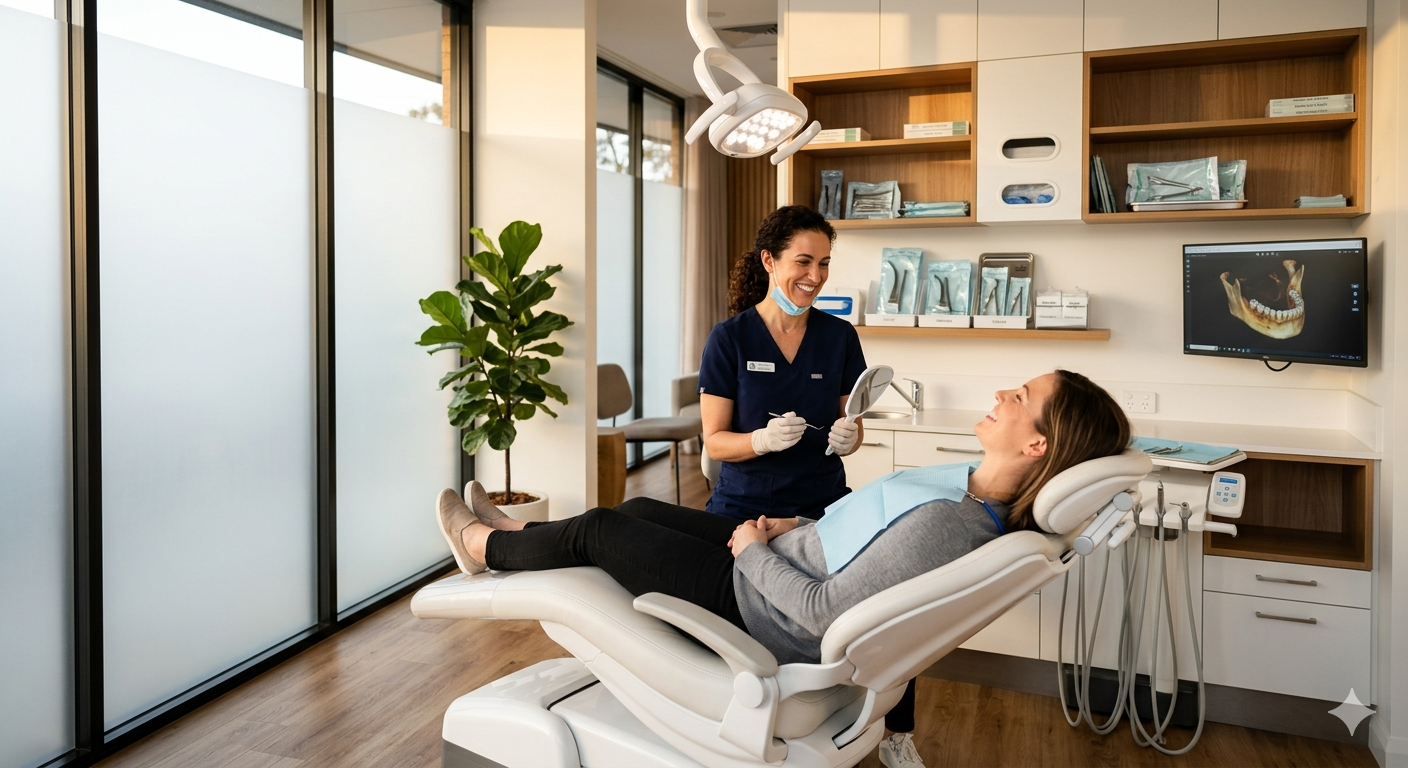
An emergency dentist in Brentwood CA specializes in urgent dental care, handling sudden issues that require immediate attention. These professionals focus on relieving pain, preventing tooth loss, and handling unexpected dental injuries quickly and safely.
Defining Dental Emergencies
A dental emergency involves situations where immediate care is needed to stop pain, infection, or further complications. This includes severe toothaches, knocked-out teeth, cracked or broken teeth, and abscesses. Not every dental problem is an emergency; a lost filling might be urgent but not always critical right away.
Emergency dentists evaluate symptoms like uncontrollable bleeding, swelling in the mouth or face, and severe trauma. Their goal is to stabilize the condition, relieve pain, and create a plan for further treatment if necessary. Prompt care reduces risks of infection and long-term damage.
Types of Urgent Dental Care Services
Emergency dentists offer treatments such as tooth extraction, root canal therapy to save infected teeth, and repair of broken or chipped teeth. They also treat soft tissue injuries, like cuts to the gums or tongue. Pain management is a priority, often using local anesthesia or prescribing medications.
Other services include draining abscesses, replacing knocked-out teeth if possible, and addressing severe infections. Some clinics offer after-hours or same-day appointments, ensuring patients receive care when offices are usually closed.
Who Needs Emergency Dental Attention?
Anyone experiencing intense pain, bleeding that won’t stop, or trauma from accidents should seek emergency dental care. Patients with knocked-out teeth or severely fractured teeth benefit most when treated within hours. Swelling that affects breathing or swallowing is also a reason for immediate care.
People with dental infections that cause fever or facial swelling should contact an emergency dentist without delay. Even children and seniors may need quick care to prevent worsening problems. When in doubt, seeking help promptly saves teeth and avoids complications.
Common Dental Emergencies Treated
Emergency dental care in Brentwood, CA, covers problems that need immediate attention to prevent further damage or pain. Quick treatment often means saving teeth and avoiding complications.
Knocked-Out Tooth
When a tooth is completely knocked out, time is critical. The goal is to save the tooth, which means acting within 30 minutes if possible. The patient should find the tooth, hold it by the crown (not the root), gently rinse off dirt with water, and try to place it back into the socket if possible. If reinsertion isn’t possible, keeping the tooth moist in milk or saline solution is best.
An emergency dentist can often reimplant the tooth if seen quickly. Delays reduce the chance of saving it. Follow-up care includes stabilizing the tooth and checking for nerve or infection issues.
Severe Toothache Relief
Severe toothaches usually signal infection, decay, or a damaged nerve. Patients often experience sharp pain, swelling, or pressure around the affected tooth. Emergency dentists diagnose the cause using X-rays and exams before deciding on treatment.
Common immediate care includes draining infection, prescribing antibiotics, or performing a root canal to relieve pressure. Over-the-counter pain medication helps temporarily but isn’t a cure. Prompt professional care prevents the problem from worsening, avoiding abscesses or tooth loss.
Broken or Chipped Teeth
A broken or chipped tooth causes sensitivity, pain, or sharp edges that can irritate the tongue and cheeks. The extent of damage varies from small chips to large fractures exposing the tooth’s interior. Cleaning the area gently and saving any tooth fragments is important.
Treatment options depend on severity. Minor chips might be smoothed or restored with bonding, while larger breaks may require crowns or veneers. In some cases, root canal therapy is necessary if the pulp is exposed. Emergency care focuses on reducing pain and protecting the tooth from further harm.
If any of these issues happen, contacting an emergency dentist promptly can make a big difference in preserving dental health and comfort.
When to Seek Immediate Dental Care
Knowing when to get prompt dental help can prevent worsening pain and avoid more complex treatments. Some symptoms require fast action, while others can wait for a regular checkup.
Signs You Need an Emergency Dentist
Severe tooth pain that lasts more than a few hours is a clear signal to seek emergency care. Swelling around the face or gums, especially if it causes difficulty breathing or swallowing, demands immediate attention.
Other urgent signs include a knocked-out tooth, loose permanent teeth after trauma, uncontrollable bleeding in the mouth, or visible broken teeth exposing the pulp. Fever with dental pain can indicate infection requiring prompt treatment.
If pain interferes with daily activities like eating or sleeping, it’s best not to delay. Early intervention often leads to simpler fixes and avoids complications.
Distinguishing Urgent vs. Routine Issues
Not all dental problems require rushing to the dentist. Routine issues include minor tooth sensitivity, small chips without pain, and mild gum irritation. These can usually wait for a scheduled visit.
Urgent issues typically involve intense pain, swelling, trauma, or risk of infection. For example, a lost filling without pain might be unpleasant but isn’t an emergency, while a deep cavity causing severe pain typically is.
Knowing the difference helps patients avoid unnecessary ER visits while ensuring real emergencies get fast, effective care. When in doubt, contacting a dental office for advice is always a good step.
What to Expect During an Emergency Dental Visit
When visiting an emergency dentist in Brentwood, patients can expect prompt care focused on identifying the issue quickly and managing pain effectively. The process is designed to make you feel comfortable while addressing urgent dental problems efficiently.
Initial Consultation and Diagnosis
The visit begins with a detailed consultation where the dentist asks about symptoms and what caused the emergency. This helps determine the severity and nature of the issue. They will examine the affected area visually and may use X-rays to get a clearer view of underlying damage.
The goal is to pinpoint the exact problem—whether it’s a cracked tooth, infection, or loose dental work. This assessment guides the treatment plan. You can expect clear explanations of what’s going on and what needs to happen next.
Pain Management Approaches
Pain relief is a top priority during an emergency dental visit. Depending on the situation, the dentist may offer local anesthesia to numb the area or prescribe pain medication to ease discomfort. For severe pain or swelling, they might suggest anti-inflammatory drugs or antibiotics if an infection is present.
Other immediate relief options include applying a cold compress or recommending over-the-counter painkillers. The dentist carefully monitors your comfort throughout the process and adjusts treatment to ensure pain stays controlled.
Modern Solutions for Dental Emergencies
Modern dental care offers faster, less invasive treatments that get patients back to feeling normal quickly. New technology focuses on precise repairs and minimizing pain during urgent visits. These advances help reduce anxiety and improve healing times.
State-of-the-Art Treatments
Brentwood emergency dentists now use digital X-rays and 3D imaging to diagnose problems instantly. This technology reveals the exact issue, whether it’s a cracked tooth or an infection, allowing for targeted treatment.
Laser dentistry is another tool gaining popularity. It can remove damaged tissue and disinfect areas with minimal bleeding, speeding up recovery. For chipped or broken teeth, same-day crowns or tooth-colored bonding materials restore appearance and function quickly.
Dental sedation options, including nitrous oxide and oral sedatives, help patients remain calm during complex procedures. These state-of-the-art treatments reduce wait times and improve outcomes by addressing dental emergencies efficiently.
Comfort-First Techniques
Pain management is a top priority during emergency visits. Many Brentwood dentists use localized anesthesia to numb only the affected area, keeping patients comfortable without full sedation.
Dentists also apply gentle techniques during exams and treatments to avoid adding stress. Soft tissue healing agents and topical gels soothe gums and reduce swelling after procedures.
Communication plays a big role in comfort. Dentists explain each step clearly and check in regularly to make sure the patient feels at ease. This comfort-first approach helps people relax and trust their care, even during emergencies.
If you experience dental pain or injury, reach out early to benefit from these modern, patient-focused solutions.
How to Prepare for Dental Emergencies
Being ready for dental emergencies can make all the difference when sudden pain or injury strikes. Knowing immediate steps and preventive habits helps reduce damage and pain until professional care is available.
First Aid Recommendations
When a dental emergency occurs, quick and careful first aid matters. For a knocked-out tooth, gently rinse it without scrubbing and try to place it back in the socket, or keep it in milk or saliva. This preserves the tooth until reaching an emergency dentist.
In case of a toothache, rinse the mouth with warm water and use dental floss to remove trapped debris. Avoid putting aspirin directly on the sore area, as it can cause burns. For bleeding or swelling, apply a cold compress to reduce discomfort.
Keeping a dental emergency kit handy with items like gauze, a small container, and over-the-counter pain relievers is practical. Having emergency contact information ready speeds up seeking professional help.
Preventive Dental Tips
Preventing dental emergencies starts with good daily habits. Regular brushing twice a day with fluoride toothpaste and flossing removes plaque buildup that causes decay and gum problems.
Wearing a mouthguard during sports protects teeth from fractures or dislodging. Avoiding hard candies and ice chewing reduces the risk of cracked teeth. Routine dental checkups allow early detection and repair of potential issues before they become emergencies.
Stay hydrated and eat a balanced diet rich in calcium and vitamin D to strengthen teeth. Taking these steps lowers the chance of sudden dental pain or injury and keeps a smile healthy.
Choosing the Right Emergency Dentist in Brentwood CA
Finding a dentist who is available when sudden dental problems happen is essential. Knowing what qualities to prioritize and which questions to ask will help you pick a provider who meets both urgent needs and long-term care expectations.
Key Qualities to Look For
An emergency dentist should offer extended hours or 24/7 availability. This ensures treatment when pain or injury strikes outside regular office times. Quick response and flexibility are critical.
Look for a dentist experienced in handling a wide range of emergencies, from toothaches to broken teeth and infections. Board certification and local licensing demonstrate professional standards.
Patient comfort matters. Choose a dentist who uses modern pain management techniques and communicates clearly about procedures and costs. Friendly staff and a calm office environment can ease stress during emergencies.
Questions to Ask Your Emergency Dentist
Before a crisis hits, ask about their availability: Do they accept walk-ins or guarantee same-day appointments? Understand how quickly they can see patients after a call.
Inquire about accepted insurance plans and payment options. Emergency visits can be costly, so knowing financial policies upfront helps avoid surprises.
Ask which treatments they provide on-site. Some dentists can handle root canals, extractions, or temporary restorations immediately, while others may refer you elsewhere.
Clarifying post-treatment care plans and follow-up procedures will prepare you for recovery. This helps maintain your oral health after urgent treatment is completed.
Aftercare and Recovery Support
Proper care after an emergency dental visit is essential to prevent complications and promote healing. Clear instructions and easy-to-follow home care routines help patients feel comfortable and confident in managing their recovery.
Follow-Up Instructions
After emergency treatment, the dentist will often schedule a follow-up appointment to check healing progress and address any lingering issues. Patients should closely monitor for signs of infection like swelling, increased pain, or fever, and contact the dentist immediately if these occur.
It’s important to take any prescribed medications exactly as directed, especially antibiotics or pain relievers. Avoid strenuous activities and keep the treatment area clean by gently rinsing with salt water after meals. Smoking or using straws should be avoided as they can dislodge blood clots and delay healing.
Home Care for Healing
Effective home care involves maintaining good oral hygiene without irritating the treated area. Soft foods like yogurt, mashed potatoes, or soup are recommended for the first few days to avoid pressure or discomfort.
Using a cold compress can reduce swelling and ease pain during the first 24-48 hours. Patients should brush and floss near the treatment site carefully, focusing on the rest of the mouth to prevent plaque buildup.
If bleeding occurs, biting down on a clean gauze pad for 20-30 minutes helps control it. Staying hydrated and resting adequately supports the body’s natural healing process.
Dental Emergency Costs and Insurance
Emergency dental care in Brentwood, CA, can vary widely in cost depending on the type of treatment needed. Simple procedures like exams and X-rays typically cost less, while more complex treatments such as root canals or tooth extractions may be pricier.
Most dental offices provide a cost estimate before treatment, helping patients understand what to expect financially. It’s important to ask about payment plans or discounts if affordability is a concern.
Insurance coverage can also impact out-of-pocket expenses. Many dental insurance plans cover emergency visits partially but may have limits on specific procedures.
| Treatment Type | Estimated Cost Range | Insurance Coverage |
|---|---|---|
| Emergency Exam & X-ray | $75 – $200 | Usually partially covered |
| Tooth Extraction | $150 – $400 | Often partially covered |
| Root Canal | $600 – $1,200 | Coverage varies |
| Dental Crown | $800 – $1,500 | Some plans offer partial coverage |
It’s helpful for patients to check their insurance policy details before an emergency arises. This way, they can avoid surprises and focus on getting the proper care quickly.
Many Brentwood dentists offer flexible payment options to assist patients without insurance. They understand emergencies are stressful and work to make treatment accessible and as comfortable as possible.
Next Steps: Schedule Your Emergency Dental Visit
When a dental emergency hits, acting quickly can make a big difference. Brentwood emergency dentists recommend calling as soon as possible to secure an appointment, especially if pain, swelling, or trauma is involved.
Patients should have basic information ready: a description of the problem, any recent dental history, and contact details. This helps the dental team prepare for the visit and provide the right care immediately.
Many emergency dental offices in Brentwood offer flexible hours or same-day appointments. This means you can receive prompt attention without waiting days in discomfort.
Tips for Scheduling:
- Call the clinic directly instead of texting or emailing for faster response
- Explain symptoms clearly and mention if there is severe pain or bleeding
- Ask about insurance coverage and payment options if needed
During the visit, the dentist will focus on relieving pain and preventing further damage. They may also discuss follow-up care or referrals for specialized treatment if necessary.
Encourage anyone experiencing sudden tooth pain or injury not to delay. A quick call can be the first step toward comfort and healing.
Frequently Asked Questions
Knowing when to seek emergency dental care and what to do in the meantime can make a big difference. Quick actions, like properly handling a knocked-out tooth or managing pain, help improve outcomes.
What counts as a true dental emergency, and when can it safely wait until regular office hours?
True dental emergencies include severe pain, uncontrolled bleeding, knocked-out teeth, and swelling that affects breathing or swallowing. Minor chips, mild discomfort, or loose crowns can usually wait for a regular appointment.
How quickly can I be seen for sudden tooth pain or swelling, and what should I do while I’m waiting?
Emergency dentists often provide same-day appointments, sometimes within hours. Rinsing with warm salt water and using over-the-counter pain relief can help control discomfort while waiting.
What should I do if I knock out a tooth, and how can I improve the chances of saving it?
Handle the tooth by the crown, not the root. If possible, gently rinse it with water and try to place it back in the socket. Otherwise, keep it moist in milk or saliva and seek immediate dental care.
How are broken or cracked teeth treated the same day, and will I need a crown later on?
Depending on the damage, dentists may smooth rough edges or use bonding to restore the tooth quickly. More severe cracks often require a crown later to protect and strengthen the tooth.
Can you help with a painful wisdom tooth or gum infection, and what treatment usually brings relief fastest?
Yes, treatment typically involves cleaning the area, prescribing antibiotics if there’s infection, and removing the wisdom tooth if necessary. Pain relief often comes quickly from inflammation control and dental intervention.
How much does an urgent dental visit typically cost, and do you accept insurance or offer payment options?
Costs vary but often range from $150 to $500 for urgent exams and initial treatment. Many emergency dentists accept insurance and offer flexible payment plans or financing to reduce financial stress.


