
Thinking about dental crowns in Woodland Hills CA can feel overwhelming, but you deserve clear, friendly guidance that makes the choice simple. You can restore a damaged tooth, improve chewing, and get a natural-looking smile with modern dental crowns placed by experienced Woodland Hills dentists. This article explains what crowns do, how the procedure works, and what to expect afterward so you can decide confidently.
They will cover how crowns protect teeth, the materials available, and advances that make crowns more comfortable and long-lasting. Expect practical tips on caring for your crown, what insurance may cover, and how to pick the right local dentist so you feel supported every step of the way.
Understanding Dental Crowns
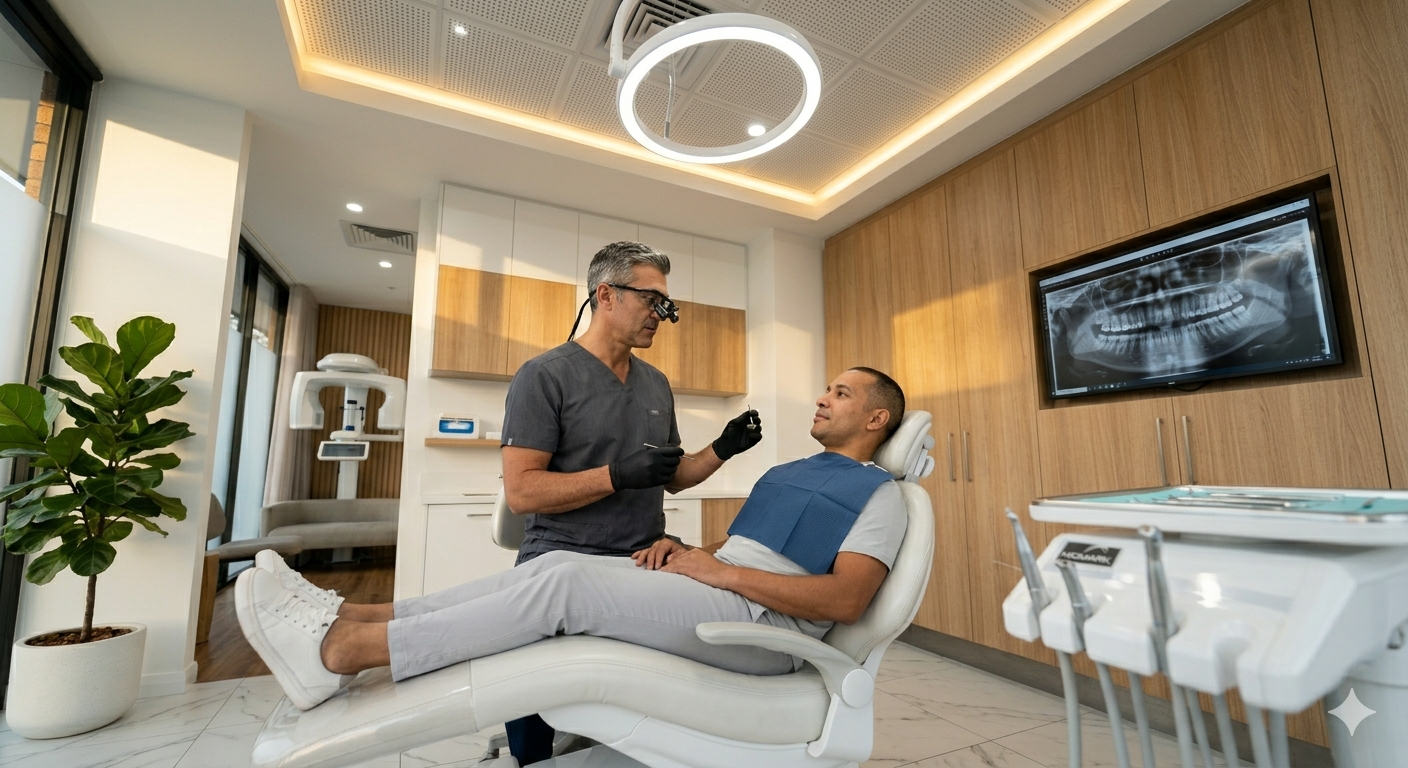
Dental crowns restore tooth shape, strength, and appearance after damage, decay, or extensive fillings. They can also protect teeth after root canal therapy and improve chewing and bite alignment.
What Are Crowns and Why Are They Needed?
A crown is a tooth-shaped cap that covers the visible portion of a damaged or weakened tooth. It fits over a prepared tooth, restoring size, contour, and function while protecting the remaining natural structure from further wear or fracture.
Dentists place crowns when a filling won’t provide enough strength or when a tooth is cracked, heavily decayed, or short from repeated restorations. Crowns also seal and protect teeth after root canal therapy, preventing reinfection and leaks. For cosmetic issues—discolored, misshapen, or poorly aligned teeth—crowns offer a durable, natural-looking option.
Crowns can change bite relationships and improve chewing efficiency. Properly designed crowns distribute bite forces evenly, reducing pressure on adjacent teeth and minimizing future damage.
Common Materials Used for Crowns
Dental crowns come in several materials, each with specific strengths and trade-offs. Common choices include:
- Porcelain-fused-to-metal (PFM): strong and lifelike, but may show a dark line at the gum with gum recession.
- All-ceramic or all-porcelain: excellent esthetics and metal-free; ideal for front teeth but slightly less fracture-resistant for very heavy bites.
- Zirconia: high strength and good esthetics; resists chipping and suits both front and back teeth.
- Gold or metal alloys: extremely durable and gentle on opposing teeth; often used for molars where appearance is less critical.
Material selection depends on tooth location, bite forces, esthetic goals, and any metal allergies. The dentist evaluates opposing tooth wear, gum levels, and the patient’s bite to recommend the most appropriate material.
When a Dentist Might Recommend a Crown
A dentist recommends a crown for teeth with large fillings that leave little natural tooth structure. Crowns also follow root canal treatment because treated teeth become more brittle and prone to fracture without coverage.
Crowns address fractured or cracked teeth that threaten structural integrity. They serve patients with severe wear from grinding (bruxism) where repeated erosion shortens teeth and affects bite. For cosmetic rehabilitation—discolored, misshapen, or poorly aligned teeth—crowns provide controlled, predictable esthetic improvement.
Other indications include replacing a fractured filling repeatedly, covering dental implants, and supporting dental bridges. The dentist will assess X-rays, clinical stability, and periodontal health before deciding to place a crown.
The Dental Crown Procedure Explained
This section outlines how a dentist prepares a tooth, why temporary crowns are used, and what patients typically experience during their appointment. It focuses on the practical steps, materials, timing, and comfort measures important for someone getting a crown in Woodland Hills, CA.
Preparing Your Tooth for a Crown
The dentist first examines the tooth with X-rays to check the root and surrounding bone for infection or decay. If infection exists, a root canal may be recommended before crown work begins.
Local anesthesia numbs the area so the patient feels minimal discomfort. The dentist removes decay and shapes the tooth by trimming enamel to create space for the crown. If the tooth is too small or has large gaps, the clinician builds it up with filling material or places a post to support the crown.
Impressions follow—either digital scans or traditional putty—to capture the exact shape of the prepared tooth and opposing teeth. These records guide the lab or in-office milling machine that fabricates the crown. The whole preparation phase typically takes 60–90 minutes for a single crown in one visit.
Temporary Crowns vs. Permanent Options
Temporary crowns protect the prepared tooth while the permanent crown is made. Dentists place them immediately after preparation and cement them with soft, short-term cement. Temporaries restore appearance and basic function but require care—avoid sticky foods and floss carefully.
Permanent crowns come in several materials: porcelain-fused-to-metal (balanced strength and esthetics), all-ceramic or zirconia (best for front teeth and biocompatibility), and gold or metal alloys (durable for back teeth). The dentist recommends a material based on bite forces, location, esthetic needs, and budget.
Permanent crowns are cemented with strong resin or glass ionomer cement. Patients should expect precise color matching, smooth margins, and a crown that restores full chewing function. Warranties, longevity estimates (10–15+ years with good care), and maintenance instructions are discussed before final placement.
What to Expect During Your Appointment
On arrival, the patient completes health forms and discusses medical history and medications with the dental team. The clinician reviews X-rays and explains the chosen crown material and estimated timeline.
During the procedure, the patient sits in a reclining chair while anesthesia is administered and the tooth is prepared. The team uses suction and irrigation to keep the area dry and comfortable. The dentist tests the bite, refines the tooth shape, and takes impressions or digital scans.
If the crown is made offsite, a temporary crown is placed and the patient schedules a follow-up for permanent cementation in 1–3 weeks. If same-day milling is available, the permanent crown can be fitted and cemented the same appointment, often within 2–3 hours. Post-op instructions cover sensitivity, pain control (over-the-counter ibuprofen if allowed), and when to call if swelling or severe pain occurs.
Benefits of Crowns for Oral Health
Crowns restore chewing ability, protect weakened tooth structure, and improve the look of damaged teeth. They also reduce sensitivity and help keep neighboring teeth aligned.
Restoring Function and Appearance
A properly fitted crown restores a tooth’s biting surface and occlusion, allowing patients to chew without shifting food to the other side. For molars, crowns withstand forces up to several hundred pounds per square inch, so they prevent wear on adjacent teeth and reduce the risk of fractures.
Crowns can match tooth color, shape, and size to blend with surrounding teeth. Porcelain-fused-to-metal and all-ceramic crowns offer precise color matching for front teeth, while zirconia provides strength for posterior crowns with acceptable esthetics. Lab-verified shading and digital impressions improve fit and appearance.
This restoration also corrects minor alignment and spacing issues without braces. By restoring proper contact points, crowns help maintain periodontal health and reduce food trapping.
Protecting Damaged Teeth
Crowns encase a weakened tooth, distributing biting forces across the restoration rather than on compromised enamel or dentin. This reduces the chance of a crack progressing into a root fracture that would require extraction.
After root canal therapy, crowns seal and reinforce the tooth, preventing reinfection and fracture. In teeth with large fillings, crowns replace lost tooth structure and eliminate weak margins where decay often starts.
Temporary crowns protect the prepared tooth between visits, while permanent crowns with proper cementation resist microleakage. Regular checks and good oral hygiene extend crown life and protect the underlying tooth.
Modern Advancements in Crown Technology
Modern crown options prioritize precision, speed, and aesthetics to restore function and appearance with minimal visits. Digital workflows and improved ceramic materials make crowns fit better, look more natural, and last longer.
Digital Impressions and Same-Day Crowns
Digital intraoral scanners capture a complete 3D model of the prepared tooth in minutes, replacing goopy putty impressions. The scan file transfers instantly to CAD/CAM software where the dentist or dental technician designs the crown with precise margins and occlusion adjustments.
In-office milling machines can fabricate a crown from a solid ceramic block in about 10–30 minutes depending on complexity. After milling, the crown is stained, glazed, and seated the same visit, reducing the need for temporary crowns and a second appointment.
Benefits for patients include fewer appointments, reduced chair time, and a lower risk of impression errors that cause poor fit. Clinics in Woodland Hills often pair digital workflows with shade-matching devices to ensure color accuracy for front and back teeth.
Natural-Looking Results with Porcelain
Modern porcelain ceramics, like lithium disilicate and high-translucency zirconia, combine strength with lifelike translucency that mimics natural enamel. Labs layer porcelain or use monolithic ceramics with customized staining to match surrounding teeth and the patient’s unique translucency.
Porcelain bonds strongly to prepared tooth structure when paired with appropriate bonding protocols, improving longevity and resistance to fracture. Dentists select material based on location: lithium disilicate for anterior esthetics and translucent zirconia for posterior strength.
Patients benefit from stain resistance and a shade-stable restoration that resists the gray undertone seen with old metal-based crowns. Providers in Woodland Hills typically show before-and-after photos and digital mock-ups so patients can visualize results and choose the best material for appearance and durability.
Personalizing Your Dental Care in Woodland Hills
Patients in Woodland Hills receive care that matches their oral health, budget, and lifestyle. Dentists assess medical history, cosmetic goals, and daily habits to recommend crowns and follow-up care that fit each person.
How Treatment Plans Are Tailored to You
The dentist begins with a detailed exam: digital X-rays, intraoral photos, and a bite analysis to pinpoint decay, fracture lines, or wear patterns. They review medications, gum health, bruxism (teeth grinding), and past restorations to decide if a crown is the best option now or if alternatives like onlays or veneers suit better.
The practice discusses goals explicitly—strengthening a molar for chewing, restoring appearance on a front tooth, or preventing further damage. They factor in scheduling needs, such as same-day crowns with CAD/CAM milling versus traditional two-visit crowns, and explain cost differences and insurance coverage.
A personalized timeline and maintenance plan follow, including temporary crown care, home hygiene tips, and scheduled recall visits to monitor fit and gum response. If anxiety is present, options like local anesthetic adjustments or mild sedation get incorporated into the plan.
Choosing the Right Type of Crown
Material choice depends on location in the mouth, biting forces, and aesthetic priorities. For back teeth under heavy load, dentists often recommend full-ceramic fused to metal or monolithic zirconia for strength. For front teeth where appearance matters, all-ceramic (e.max or layered porcelain) offers superior translucency.
A simple comparison:
- Zirconia: very strong, less translucent, ideal for molars.
- Porcelain-fused-to-metal (PFM): strong with good fit, may show a dark margin over time.
- All-ceramic (e.max): best for natural look on incisors and canines.
Cost, warranty, and lifespan vary; zirconia and e.max typically last 10–15 years with good care. The dentist reviews esthetic mock-ups and shade matching in-office, and may use temporary crowns to preview shape and function before finalizing the material choice.
Caring for Your New Crown
A new crown feels and functions like a natural tooth when cared for correctly. Regular cleaning, sensible eating, and prompt attention to problems keep the crown durable and comfortable.
Daily Oral Hygiene Tips
They should brush twice daily with a soft-bristled toothbrush and fluoride toothpaste, using gentle circular motions along the gumline. Floss once a day, sliding the floss up and down beside the crown to remove trapped food and plaque; consider a floss threader if the crown bridges adjacent teeth.
An interdental brush or water flosser helps clean the contact points and under marginal gaps where food can collect. Use an alcohol-free antimicrobial mouthwash if recommended by the dentist to reduce bacteria without drying tissues.
Maintain routine dental visits every six months for professional cleaning and crown inspection. If the crown is on a back tooth or under heavy chewing load, the dentist may suggest more frequent recalls or a night guard to protect against grinding.
Foods and Habits to Avoid
They should avoid chewing ice, hard candies, and unpopped popcorn kernels that can fracture porcelain or dislodge a crown. Steer clear of sticky foods like caramels and taffy that can pull at the crown’s cement.
Limit very hard nuts and aggressive biting on pens or fingernails, which stress the crown margins and underlying tooth. Avoid frequent consumption of highly acidic beverages (soda, citrus drinks) that can erode cement over time; use a straw and rinse with water after sipping.
If they grind or clench teeth, the dentist may prescribe a custom night guard to prevent microfractures and loosening. For cosmetic longevity, avoid habits that stain — tobacco, frequent coffee, or dark teas — especially if the crown is porcelain fused to tooth-colored materials.
When to Contact Your Dentist
They should call the dental office immediately if the crown feels loose, shifts, or if a gap appears at the margin. A loose crown allows bacteria under the restoration, risking decay or infection that needs prompt treatment.
Seek care for persistent pain, sensitivity to hot or cold beyond a few days, or swelling around the crowned tooth; these can indicate nerve irritation or an abscess. If the crown fractures or a piece chips off, bring any fragments to the appointment for possible repair or replacement.
Report any bite changes or discomfort when chewing, as improper occlusion can cause damage to the crown and surrounding teeth. The dental team can assess, adjust the bite, re-cement, or remake the crown to restore comfort and function.
Cost Considerations and Insurance Coverage
Prices for dental crowns vary by material, preparation complexity, and lab work. Patients should expect clear breakdowns of dentist fees, lab fees, and any preparatory procedures before treatment begins.
What Affects the Cost of a Crown
Material choice drives much of the price difference. Porcelain-fused-to-metal (PFM) crowns often cost less than all-ceramic crowns like zirconia or e.max; gold alloys generally cost more due to material value and durability.
Preparation complexity changes the fee. Crowns on heavily restored or endodontically treated teeth may require posts, core build-ups, or additional tooth preparation, which adds to the total.
Laboratory and technology fees matter. Crowns made with in-office CAD/CAM (CEREC) can reduce lab costs and speed delivery, while custom lab-fabricated crowns may include higher technician charges for shade matching and layered ceramics.
Location and clinician experience influence pricing too. Woodland Hills practices with advanced equipment or specialists may charge higher fees; general dentists often offer more competitive pricing.
Ask for an itemized estimate. That should list: crown type, lab fees, preparatory procedures, anesthesia, and follow-up visits.
Navigating Insurance and Payment Plans
Dental insurance usually covers part of crown costs but rarely pays the entire fee. Policies often cover 50%–80% of a basic or major restoration up to yearly maximums; remaining balance is the patient’s responsibility.
Verify coverage before treatment. Patients should request preauthorization to see exact benefits, frequency limits (e.g., one crown per tooth per X years), and any waiting periods that apply.
Explore payment options offered by the practice. Many Woodland Hills offices provide in-house payment plans, third-party financing (CareCredit, LendingClub), or split payments to spread costs over months.
Check for alternate funding. Health savings accounts (HSA) and flexible spending accounts (FSA) can be used for crown procedures and often reduce out-of-pocket expense.
Get a written estimate and ask about bundled pricing. That helps compare providers and prevents surprise charges for lab adjustments or temporary crown visits.
Life After Getting a Crown
Most patients notice immediate functional and cosmetic improvements after crown placement, with a short adjustment period for bite and sensitivity. Proper home care, routine checkups, and avoiding certain habits will help the crown last many years.
Longevity and Durability Expectations
Dental crowns typically last between 8 and 15 years, with many lasting 20 years or more when cared for properly. Porcelain-fused-to-metal and all-ceramic crowns resist staining and look natural, while zirconia crowns offer greater fracture resistance for back teeth.
Daily oral hygiene matters: brush twice a day with a fluoride toothpaste and floss daily, especially at the crown margins. Avoid hard objects (ice, pens) and limit very sticky candies to reduce the risk of dislodgement. If the patient grinds or clenches teeth, a custom nightguard reduces excessive wear and significantly extends crown life.
Routine dental visits every 6 months let the dentist check the crown’s fit, the health of the underlying tooth, and the gum tissue. Prompt attention to looseness, persistent sensitivity, or discomfort prevents small problems from becoming replacements.
How Crowns Improve Confidence and Quality of Life
Crowns restore chewing efficiency, allowing patients to eat a wider range of foods without pain or fear of breaking a tooth. They also recreate natural tooth shape and color, which helps patients smile confidently in social and professional situations.
Crowns protect weakened teeth from further decay and fracture, reducing the likelihood of root canals or extractions later. Many patients report improved speech when front teeth are crowned to correct shape or alignment issues.
Small practical changes, like avoiding stain-prone beverages for a short period and practicing gentle flossing around the crown, preserve appearance and comfort. If any cosmetic or functional concern arises, the dental team can adjust the crown or recommend refinements to maintain both health and confidence.
Choosing the Right Dentist in Woodland Hills
Patients should look for a dentist who combines experience with a patient-centered approach. They benefit from a clinician who explains crown options clearly and listens to concerns about comfort and appearance.
Check credentials and continuing education to confirm up-to-date training in crown materials and digital workflows. Board certifications, membership in professional organizations, and recent coursework show commitment to modern care.
Read reviews and ask for before-and-after photos to gauge real patient outcomes. Positive feedback about communication, pain management, and follow-up care often predicts a smoother treatment experience.
Confirm the practice offers modern technology like digital impressions and same-day milling when appropriate. These tools can reduce visits and improve crown fit, lowering the chance of adjustments.
Discuss payment options and insurance acceptance up front. Transparent cost estimates and flexible financing ease decision-making and prevent surprises.
Schedule a consultation to meet the team and assess office comfort and infection control. A brief visit helps patients judge bedside manner, appointment timing, and how questions are answered.
Consider a dentist who prioritizes preventive advice alongside restorative care. They help protect the longevity of crowns through routine maintenance and practical home-care tips.
Encourage readers to call or book an exam to discuss personalized crown plans and timeline expectations.
Frequently Asked Questions
This section answers common patient concerns about why a crown may be recommended, what the procedure feels like, material choices, lifespan expectations, and care for temporary crowns. The goal is to give clear practical steps patients can use when considering crowns in Woodland Hills, CA.
How do I know if I need a crown instead of a filling?
A dentist will recommend a crown when a tooth has a large cavity, extensive fracture, or has undergone root canal therapy and lacks sufficient healthy structure for a filling. Crowns cover and protect the entire visible tooth surface, whereas fillings only replace missing tooth material.
If a filling would be larger than about half the biting surface or the tooth shows vertical cracks, a crown is usually the safer long-term choice. The dentist will assess decay, bite forces, and aesthetic needs during the exam and X-rays.
What does getting a crown feel like, and will it hurt?
Patients typically receive local anesthetic before prepping the tooth, so they should feel pressure but minimal pain during the procedure. Sensitivity after the appointment is common for a few days and usually responds to over-the-counter pain relievers.
For anxious patients, dentists in Woodland Hills often offer nitrous oxide or oral sedation to improve comfort. If pain persists or swelling develops, contact the office promptly for evaluation.
How long does the crown process take, and how many visits should I expect?
Traditional crown treatment usually takes two visits spread over one to three weeks. The first visit involves tooth preparation, impressions, and placement of a temporary crown; the second visit fits and cements the final crown.
Same-day crowns using CAD/CAM milling can complete preparation and placement in a single appointment lasting two to four hours. The dentist will discuss which option fits the clinical need and patient schedule.
What’s the difference between porcelain, ceramic, zirconia, and metal crowns?
Porcelain and ceramic crowns offer the best color match for front teeth and look most natural under light. Zirconia crowns combine high strength with good aesthetics and work well for molars and bridges where durability matters.
Metal crowns (gold or base metal alloys) are the most durable and conserve tooth structure but are metallic in appearance. Many dentists use porcelain-fused-to-metal when they need strength with improved appearance.
How long do crowns typically last, and what can I do to help mine last longer?
Crowns commonly last 10 to 15 years, and many last 20 years or more with proper care. Longevity depends on material, bite forces, oral hygiene, and regular dental checkups.
Patients should brush twice daily, floss carefully at the crown margin, avoid chewing ice or hard objects, and wear a nightguard if they grind their teeth. Report looseness, sensitivity, or unusual wear to the dentist so issues can be fixed early.
What should I avoid eating or doing while I’m wearing a temporary crown?
Avoid sticky foods like caramels and gum, and hard foods such as nuts and hard candy that can dislodge or fracture the temporary. Chew on the opposite side when possible and cut food into small pieces.
Do not use flossing techniques that pull up on the temporary; instead, slide floss out from the side. If the temporary comes off, save it and call the dental office for re-cementation to protect the prepared tooth.
Contact the Woodland Hills dental office with questions or to schedule an exam if any of these issues apply.

